
Mad Honey on the ECG: Bradycardia, AV Block, and What Clinicians See
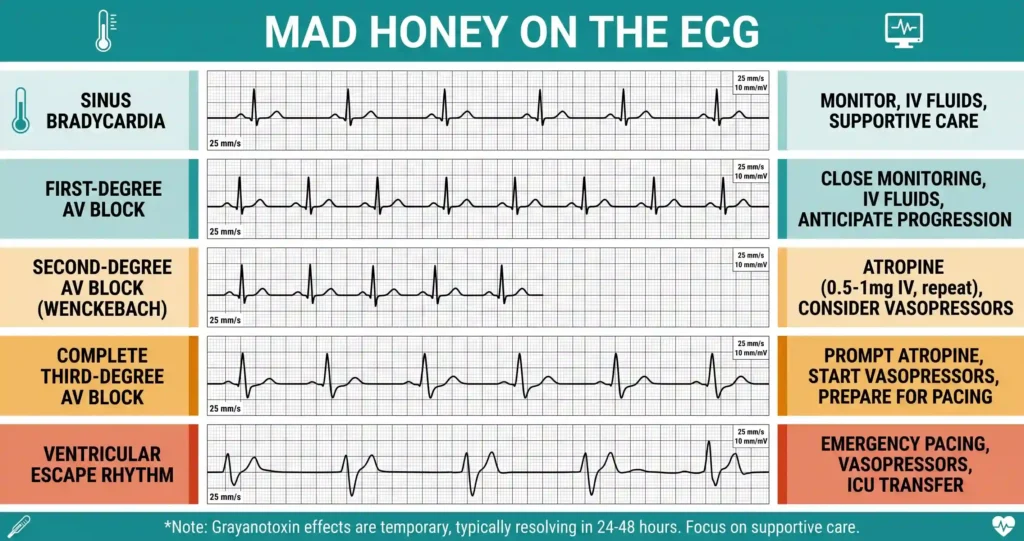
Grayanotoxin poisoning is, above all, a cardiac conduction problem. The compound holds cardiac voltage-gated sodium channels open, amplifies vagal tone, and disrupts the heart’s pacemaker and conduction system. The electrocardiogram, or ECG, is the single most informative bedside tool for assessing how severely the system has been affected, because it shows the conduction disturbance directly. […]
Grayanotoxin LD50: Lethal Dose Data, Route Effects, and What Animal Studies Cannot Tell You About Human Risk
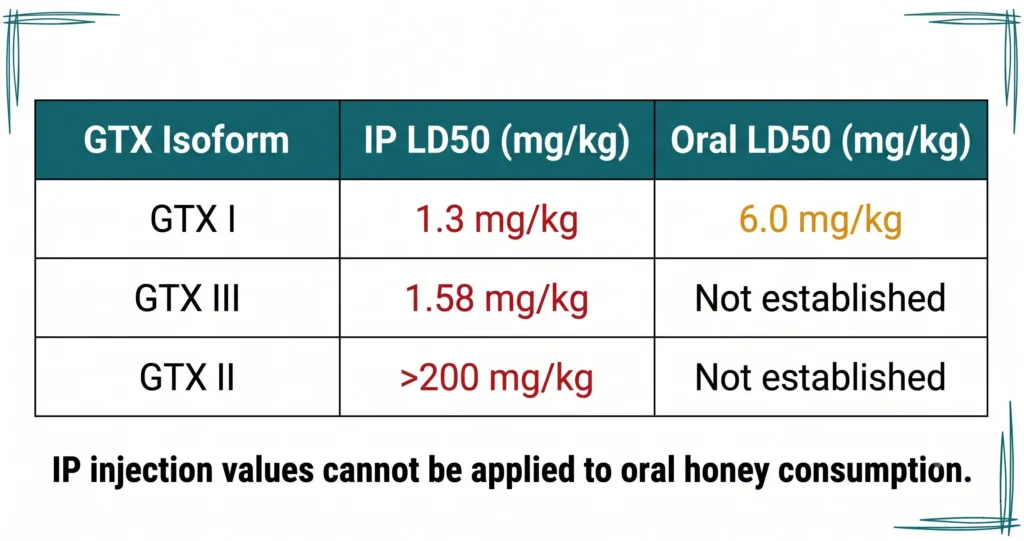
The LD50, lethal dose 50 percent, is the amount of a substance required to kill 50 percent of a test population under specified experimental conditions. It is a standard measure of acute toxicity used to compare compounds and establish hazard classifications. For grayanotoxin, published LD50 data exist in rodent models across multiple isoforms and routes […]
Mad Honey Cardiovascular Effects: Bradycardia, AV Block, and Hypotension Explained
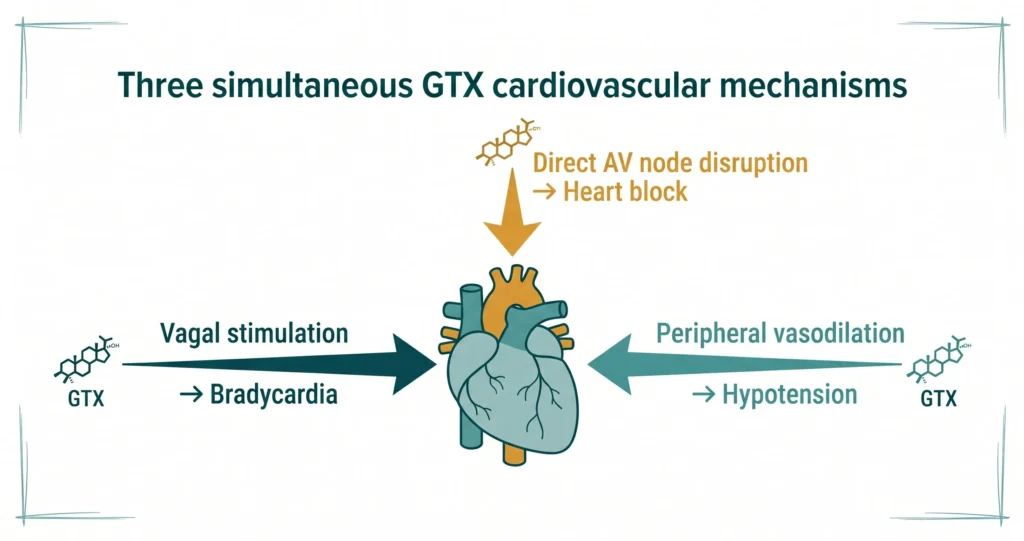
Medical disclaimer: This article is for educational purposes. It is not medical advice. Anyone experiencing bradycardia, inability to stand, or syncope after consuming mad honey should seek immediate emergency care. Mad honey’s clinical effects are predominantly cardiovascular. This is not incidental; it follows directly from the distribution of voltage-gated sodium channels and from what those […]
Molecular Mechanism of Mad Honey: Grayanotoxins and Site 2 Sodium Channel Pharmacology
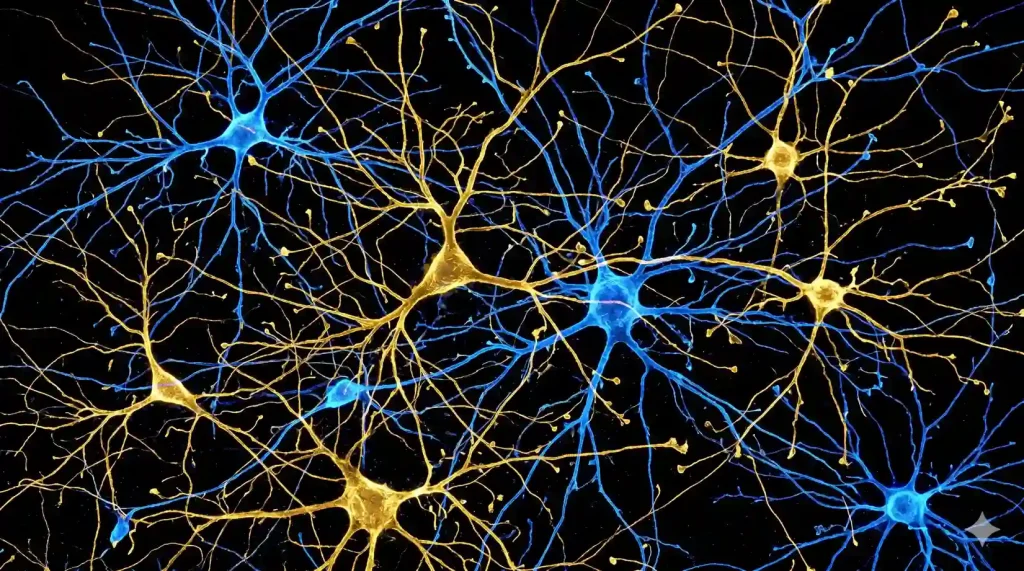
Voltage-gated sodium channels (VGSCs) are the primary molecular targets of grayanotoxins. Understanding grayanotoxin pharmacology requires a foundational understanding of VGSC structure and gating. VGSCs are large integral membrane proteins — the α subunit, which contains the ion-conducting pore and the voltage-sensing machinery, is approximately 260 kDa and consists of four homologous domains (I–IV), each with […]
The Mad Honey Toxidrome: A Systems-Level Look at Cardiovascular and Neurological Effects

The physiological impact of mad honey is not confined to a single organ system. Grayanotoxins, by virtue of their action on voltage-gated sodium channels expressed across multiple tissue types, produce a constellation of effects spanning the cardiovascular system, the autonomic nervous system, the peripheral sensory nervous system, and the gastrointestinal tract. Understanding each system’s contribution […]
Grayanotoxins: Chemistry, Structure, and the Toxic Legacy of Ericaceae Plants
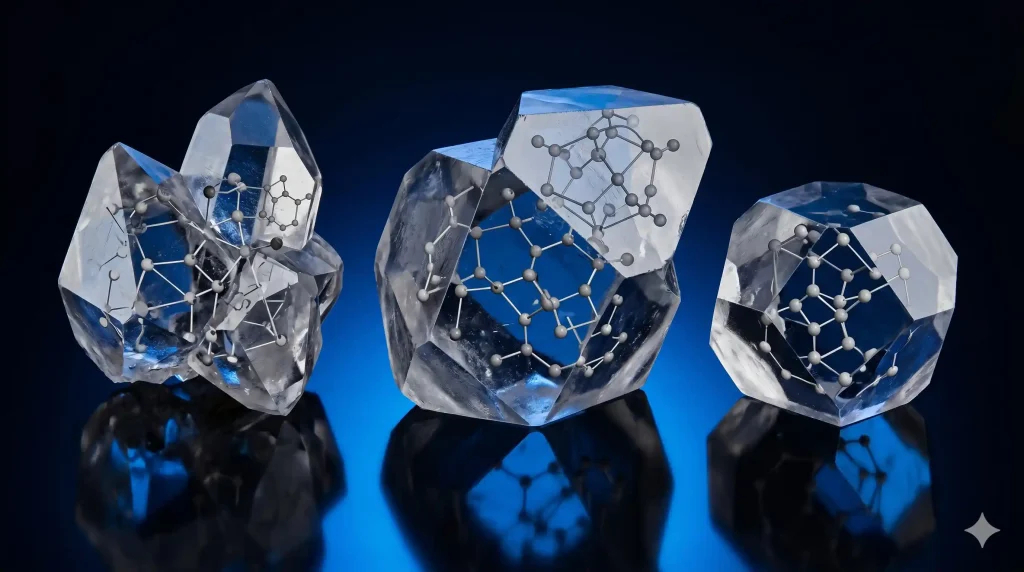
Grayanotoxins are a class of diterpenoid polyols — naturally occurring organic compounds characterised by a tetracyclic diterpene carbon skeleton bearing multiple hydroxyl groups. They belong to the broader family of grayanoid diterpenoids found exclusively within the plant family Ericaceae, which includes rhododendrons, azaleas, pieris, leucothoe, and related genera. The defining structural feature of grayanotoxins is […]
How Grayanotoxin Levels Are Measured in Mad Honey: What a 2022 LC-MS/MS Study Found About Batch Variation

Mad honey is often discussed as if it were one chemically stable product. This paper shows why that is misleading. In 2022, researchers developed and validated a liquid chromatography–tandem mass spectrometry (LC-MS/MS) method to quantify grayanotoxin I (GTX I) and grayanotoxin III (GTX III) in honey, then applied that method to 60 mad honey samples […]