
Mad Honey Poisoning Treatment Protocol: Stepwise Clinical Management with Pharmacological Rationale
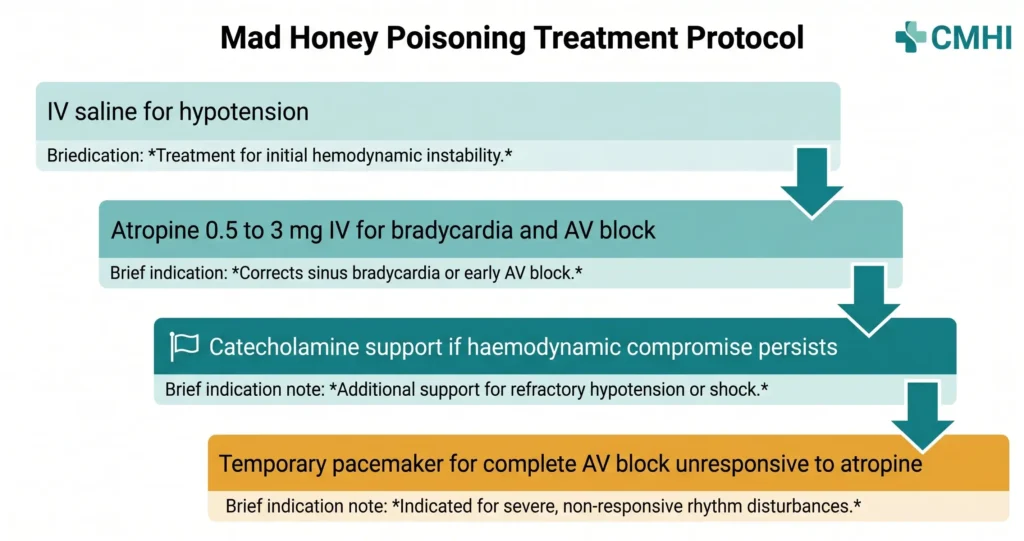
This article documents the clinical management protocol for grayanotoxin (GTX) poisoning from mad honey consumption, as established in the peer-reviewed literature, primarily Ullah et al. (2018), Jansen et al. (2012), and the case series synthesised by Salici and Atayoglu (2015). It is a reference document for emergency medicine clinicians, internal medicine physicians, cardiologists, and medical […]
Grayanotoxin LD50: Lethal Dose Data, Route Effects, and What Animal Studies Cannot Tell You About Human Risk
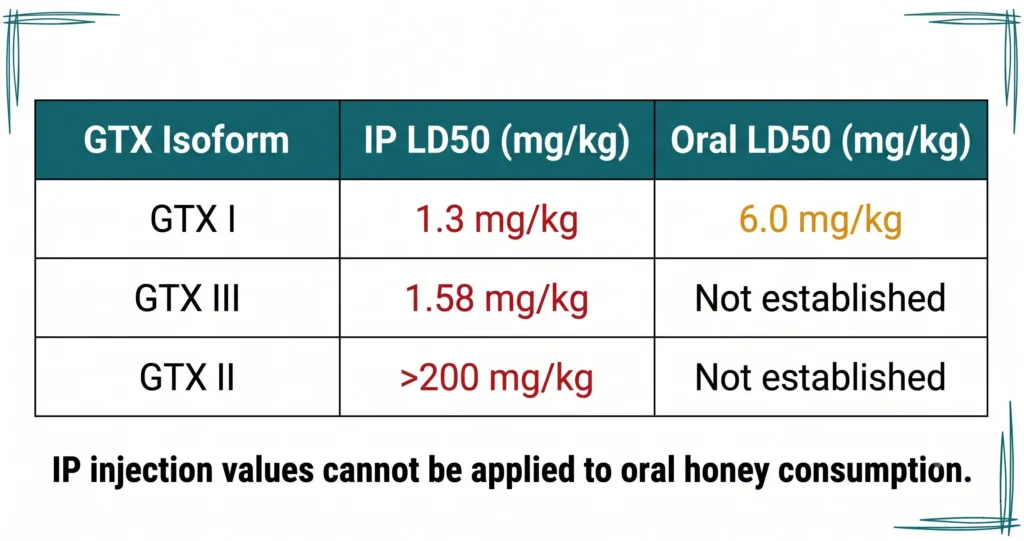
The LD50, lethal dose 50 percent, is the amount of a substance required to kill 50 percent of a test population under specified experimental conditions. It is a standard measure of acute toxicity used to compare compounds and establish hazard classifications. For grayanotoxin, published LD50 data exist in rodent models across multiple isoforms and routes […]
Mad Honey and Medication Interactions: What the Research Shows
MEDICAL DISCLAIMER This page is for educational purposes only and is not medical advice. If you take any prescription or over-the-counter medications, consult a healthcare provider before consuming mad honey. If you experience symptoms after consuming mad honey while on any medication, contact Poison Control (1-800-222-1222 in the US) or emergency services. KEY TAKEAWAYS […]
How to Read a Mad Honey Lab Report (Certificate of Analysis)
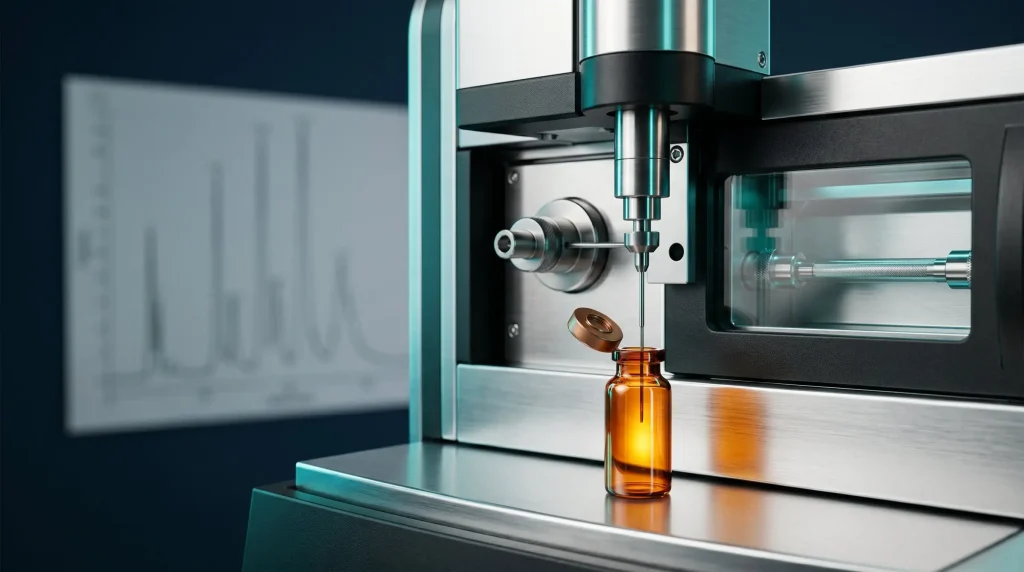
MEDICAL DISCLAIMER This page is for educational purposes only and is not medical advice. A lab report does not guarantee safety. If you experience symptoms after consuming mad honey, contact Poison Control (1-800-222-1222 in the US) or emergency services immediately. KEY TAKEAWAYS A Certificate of Analysis (COA) from a mad honey vendor should report […]