
Mad Honey Poisoning Treatment Protocol: Stepwise Clinical Management with Pharmacological Rationale
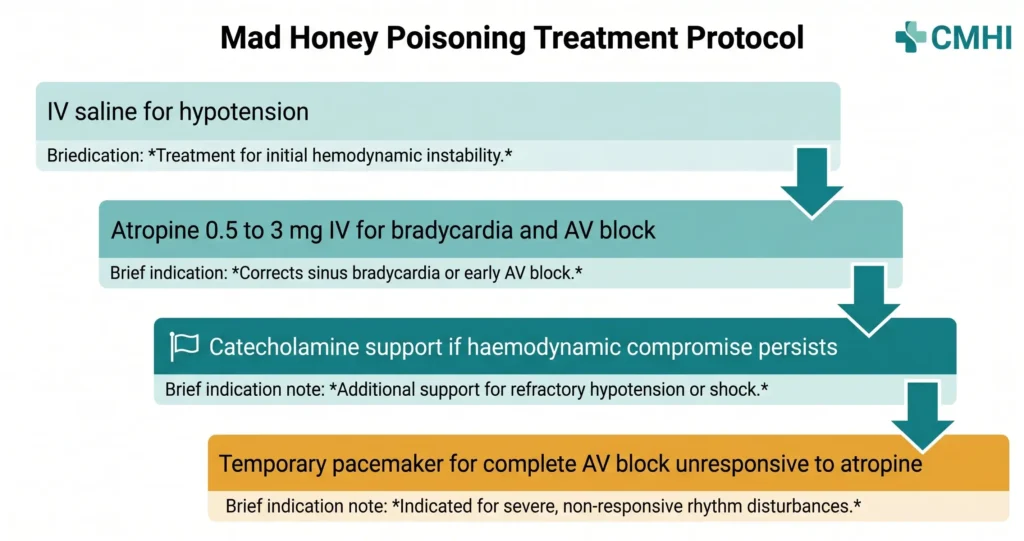
This article documents the clinical management protocol for grayanotoxin (GTX) poisoning from mad honey consumption, as established in the peer-reviewed literature, primarily Ullah et al. (2018), Jansen et al. (2012), and the case series synthesised by Salici and Atayoglu (2015). It is a reference document for emergency medicine clinicians, internal medicine physicians, cardiologists, and medical […]
Grayanotoxin LD50: Lethal Dose Data, Route Effects, and What Animal Studies Cannot Tell You About Human Risk
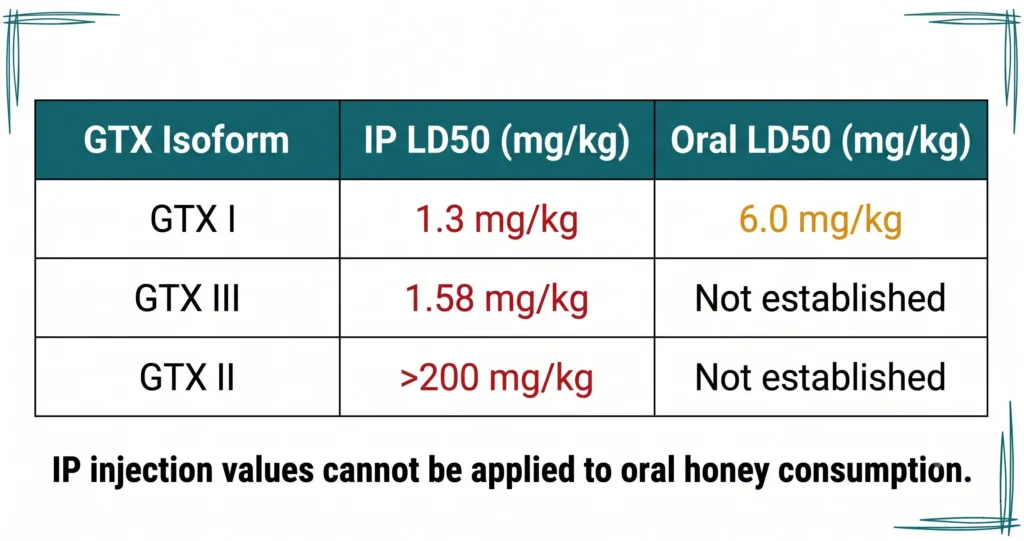
The LD50, lethal dose 50 percent, is the amount of a substance required to kill 50 percent of a test population under specified experimental conditions. It is a standard measure of acute toxicity used to compare compounds and establish hazard classifications. For grayanotoxin, published LD50 data exist in rodent models across multiple isoforms and routes […]
Molecular Mechanism of Mad Honey: Grayanotoxins and Site 2 Sodium Channel Pharmacology
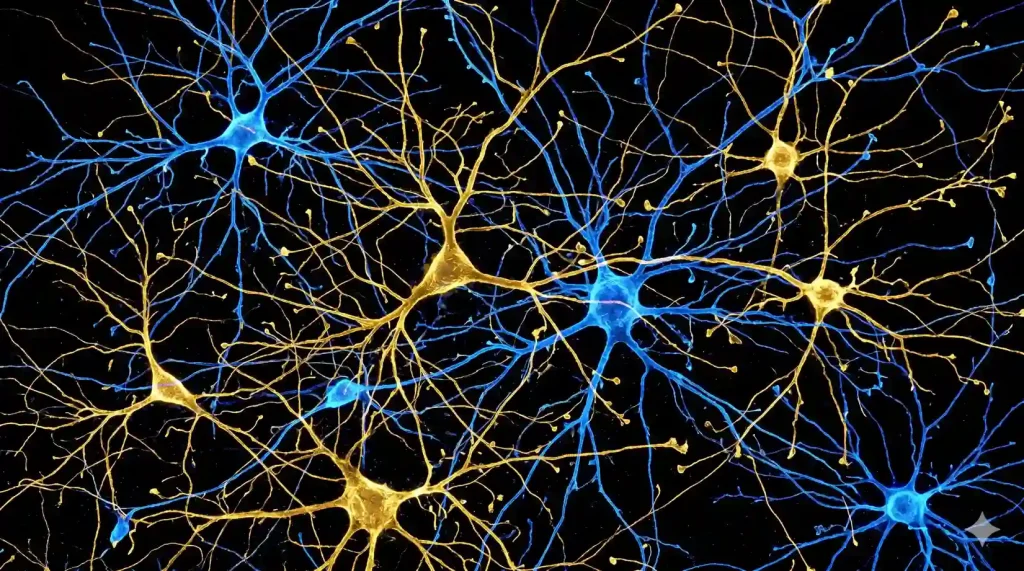
Voltage-gated sodium channels (VGSCs) are the primary molecular targets of grayanotoxins. Understanding grayanotoxin pharmacology requires a foundational understanding of VGSC structure and gating. VGSCs are large integral membrane proteins — the α subunit, which contains the ion-conducting pore and the voltage-sensing machinery, is approximately 260 kDa and consists of four homologous domains (I–IV), each with […]
How Grayanotoxin Levels Are Measured in Mad Honey: What a 2022 LC-MS/MS Study Found About Batch Variation
Mad honey is often discussed as if it were one chemically stable product. This paper shows why that is misleading. In 2022, researchers developed and validated a liquid chromatography–tandem mass spectrometry (LC-MS/MS) method to quantify grayanotoxin I (GTX I) and grayanotoxin III (GTX III) in honey, then applied that method to 60 mad honey samples […]