
All Topics
apis laboriosa
Botany
Buying & Legality
Clinical Review
does mad honey show on drug test
Effects & Safety
Ethnobotany
Evidence-Based Medicine
Food Safety
Giant honey bee
Grayanotoxin
grayanotoxin clearance
Grayanotoxin I
Grayanotoxin III
grayanotoxin poisoning
grayanotoxin psychoactive
Grayanotoxin Quantification
grayanotoxin research
Himalayan giant honey bee
Honey Toxicology
how long do mad honey effects last
Mad Honey
Mad Honey Basics
mad honey clinical literature
Mad honey comparison
mad honey effects
mad honey elimination time
mad honey erectile dysfunction
mad honey half life
mad honey libido
mad honey poisoning symptoms
mad honey psychedelic
mad honey sexual benefits
mad honey studies
mad honey viagra
Nepal mad honey
Pharmacology
Regional Guides
Rhododendron Honey
Toxicity
Traditional Medicine
All Articles
View all →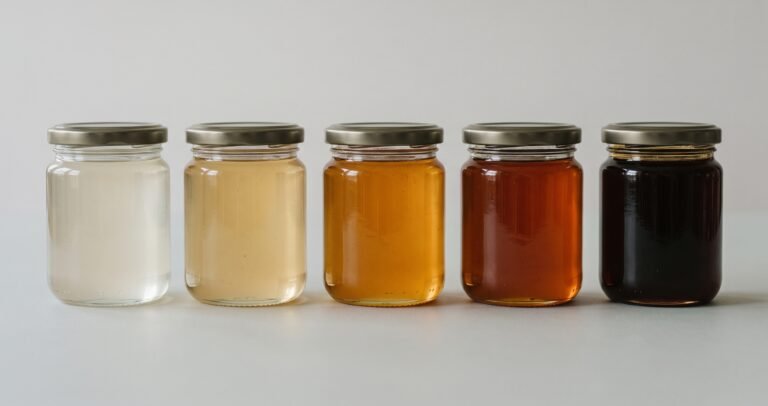
Mad honey is reported in the clinical literature as sharp, bitter, and irritating to the throat, described that way so…
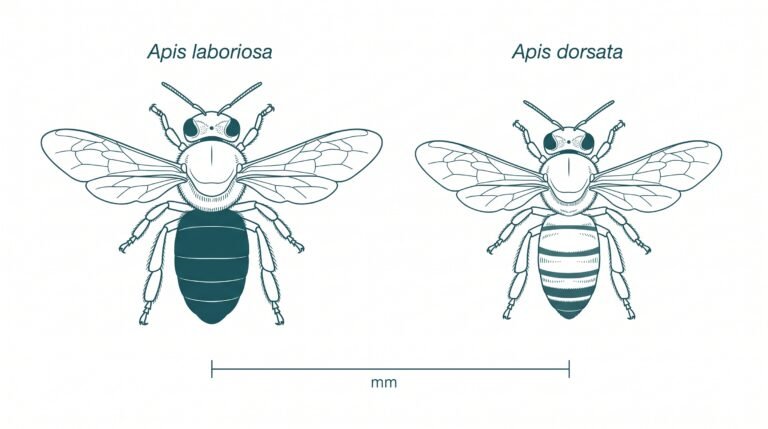
Apis laboriosa, commonly called the Himalayan giant honey bee or Himalayan cliff bee, is the world’s largest living honey bee…
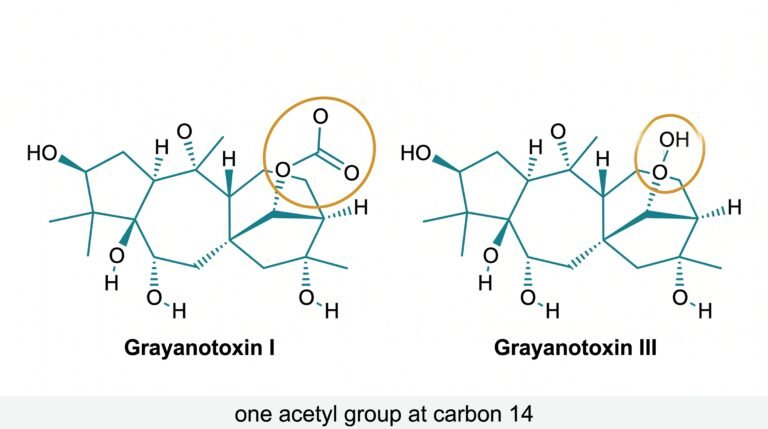
Grayanotoxin I and grayanotoxin III are the two compounds that mad honey testing actually measures. They are the two with…

The difference between mad honey and regular honey is one compound. Mad honey contains grayanotoxin, a plant-derived toxin that binds…
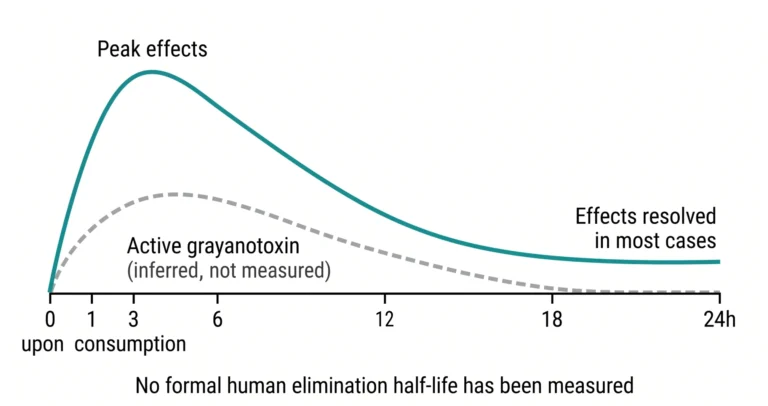
When people ask how long mad honey stays in the system, they are usually asking one of two different things…

The single most common reason mad honey is sold to Western buyers is the aphrodisiac claim: that it boosts libido,…

Rhododendron honey is honey produced by bees foraging predominantly on the nectar of Rhododendron flowers. It is the botanical origin…

Mad honey is marketed and traditionally used for a range of health purposes: lowering blood pressure, improving blood sugar control,…

Mad honey poisoning, referred to in the peer-reviewed literature as mad honey intoxication or grayanotoxin poisoning, is the clinical syndrome…
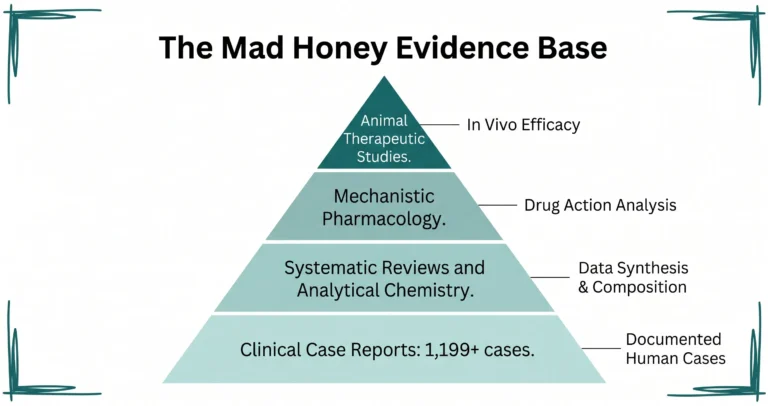
Medical disclaimer: This article is for educational purposes. It is not medical advice. The peer-reviewed literature on mad honey and…

Medical disclaimer: This article is for educational purposes. It is not medical advice. Anyone experiencing symptoms consistent with grayanotoxin poisoning…

Straightforward answer: no, not in the way the question usually implies. Mad honey contains grayanotoxin, a compound that disrupts voltage-gated…

Medical disclaimer: This article is for educational purposes only. It is not medical advice and is not a substitute for…

Mad honey and Manuka honey are both described as bioactive or functional honeys, and both carry significantly higher prices than…

In the foothills of Nepal’s Himalayan range, the Gurung people have practised cliff honey hunting for generations. Twice a year,…

Deli bal translates directly from Turkish as “crazy honey”: deli meaning mad, crazy, or wild; bal meaning honey. The name…

Mad honey, honey containing grayanotoxins from Rhododendron species, is not illegal to possess, buy, or consume in any major jurisdiction…

The effects of mad honey on the body are a direct consequence of grayanotoxin I (GTX I) and grayanotoxin III…

Mad honey is a naturally occurring wild honey that contains grayanotoxins, a class of neurotoxic diterpenoids produced by certain Rhododendron…