Mad Honey Benefits: What Is Claimed, What the Evidence Shows, and What Remains Unproven
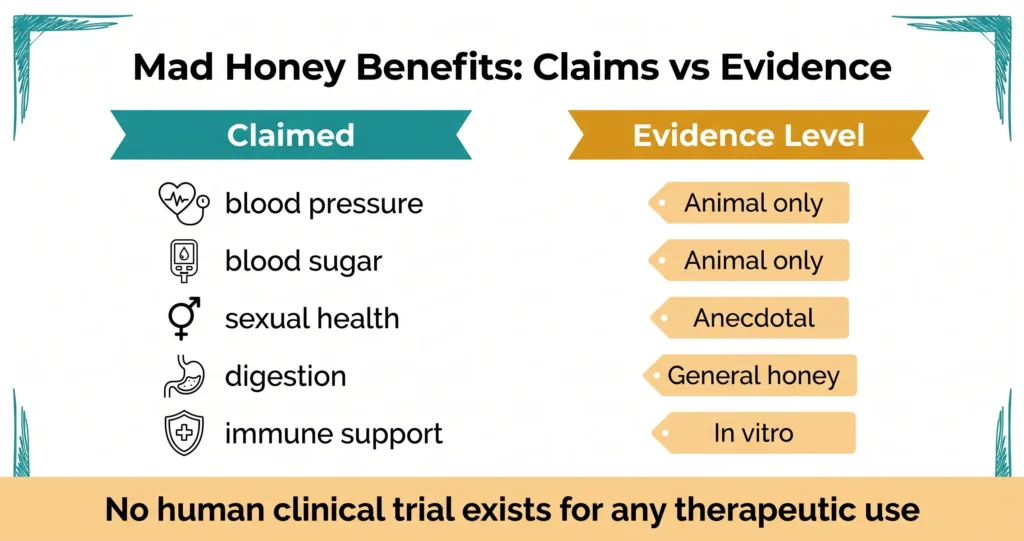
Mad honey is marketed and traditionally used for a range of health purposes: lowering blood pressure, improving blood sugar control, enhancing sexual performance, relieving gastrointestinal complaints, and treating pain. These claims are widespread across commercial sellers and folk medicine traditions in Nepal and Turkey. The evidence supporting them is far narrower and more qualified than […]
Himalayan Mad Honey: What It Is, Where It Comes From, and What the Science Shows
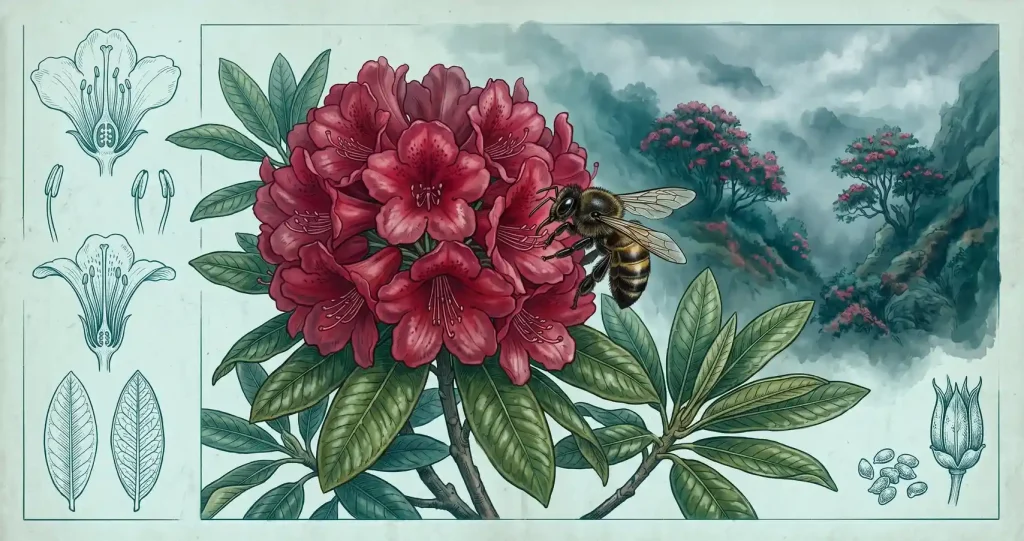
Medical disclaimer: This article is for educational purposes. It is not medical advice. Anyone experiencing symptoms consistent with grayanotoxin poisoning after consuming mad honey should seek immediate medical attention. Not all honey produced in Nepal contains grayanotoxin. Not all honey from high altitude is mad honey. And not all mad honey labelled Himalayan comes from […]
Mad Honey and Medication Interactions: What the Research Shows
MEDICAL DISCLAIMER This page is for educational purposes only and is not medical advice. If you take any prescription or over-the-counter medications, consult a healthcare provider before consuming mad honey. If you experience symptoms after consuming mad honey while on any medication, contact Poison Control (1-800-222-1222 in the US) or emergency services. KEY TAKEAWAYS […]
Emergency Response: Recognising and Responding to Mad Honey Adverse Effects

MEDICAL DISCLAIMER IMPORTANT: If you or someone else is experiencing severe symptoms (unconsciousness, inability to stand, heart rate below 40 bpm, or difficulty breathing) call emergency services (911 in the US, 999 in the UK, 112 in Europe) immediately. Do not wait. Poison Control (US): 1-800-222-1222 (24 hours, free, confidential)UK National Poisons Information Service: 0344 […]
How to Read a Mad Honey Lab Report (Certificate of Analysis)

MEDICAL DISCLAIMER This page is for educational purposes only and is not medical advice. A lab report does not guarantee safety. If you experience symptoms after consuming mad honey, contact Poison Control (1-800-222-1222 in the US) or emergency services immediately. KEY TAKEAWAYS A Certificate of Analysis (COA) from a mad honey vendor should report […]
Mad Honey Exposure and Tolerability: What Clinical Case Studies Report

MEDICAL DISCLAIMER This page is for educational purposes only and is not medical advice. Mad honey contains grayanotoxin, which can cause serious adverse effects, including cardiovascular events. If you experience symptoms after consuming mad honey, contact Poison Control (1-800-222-1222 in the US) or your local emergency services immediately. KEY TAKEAWAYS Published clinical literature documents […]
Nepali Mad Honey: Cliff Harvesting & the Gurung Tradition

In the foothills of Nepal’s Himalayan range, the Gurung people have practised cliff honey hunting for generations. Twice a year, once in spring and once in autumn, experienced hunters descend handmade rope ladders to reach the colonies of Apis dorsata laboriosa, the world’s largest honey bee, which build their exposed combs on south-facing cliff overhangs […]