Atropine in Mad Honey Poisoning: Dosing and Outcomes in Published Cases
Source paper Silici S, Atayoglu AT. Mad honey intoxication: A systematic review on the 1199 cases. Food and Chemical Toxicology. 2015;86:282–290. DOI: 10.1016/j.fct.2015.10.018. Published December 2015. A systematic review of case reports published between 1981 and 2014; first author at Erciyes University, Kayseri, Turkey. Subscription article; the abstract is freely available on PubMed (PMID 26547022). […]
Grayanotoxin Quantification in Commercial Mad Honey: LC-MS/MS Methodology
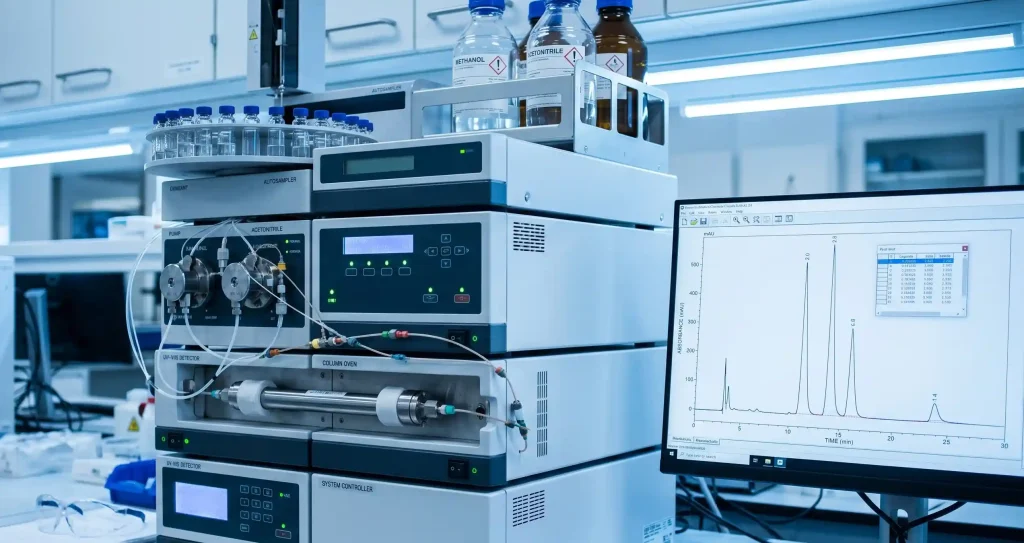
Source paper Kaplan M, Olgun EO, Karaoglu O. Determination of grayanotoxins in honey by liquid chromatography tandem mass spectrometry using dilute-and-shoot sample preparation approach. Journal of Agricultural and Food Chemistry. 2014;62(24):5485–5491. DOI: 10.1021/jf501560t. Published June 2014 from the Food Institute of the TUBITAK Marmara Research Centre in Turkey. The authors describe it as the first […]
Grayanotoxin Across Rhododendron Species and Tissues: What Fattorini et al. (2023) and EFSA (2023) Report

Source papers Fattorini R, Egan PA, Rosindell J, Farrell IW, Stevenson PC. Grayanotoxin I variation across tissues and species of Rhododendron suggests pollinator-herbivore defence trade-offs. Phytochemistry. 2023;212:113707. DOI: 10.1016/j.phytochem.2023.113707. EFSA Panel on Contaminants in the Food Chain (CONTAM), Schrenk D, Bignami M, Bodin L, et al. Risks for human health related to the presence of […]
Mad Honey Poisoning and Turkey’s Black Sea Region: What the Published Cases Show

Source paper Gunduz A, Şimşek P, Ayaz FA. Worldwide distribution and clinical characteristics of mad honey poisoning cases. Central European Journal of Public Health. 2023;31(1):69–73. DOI: 10.21101/cejph.a7501. Published March 2023. Authors from Karadeniz Technical University and Trabzon University, Trabzon, Turkey. A review of 900 published cases from 114 articles; free to read on the journal […]
Grayanotoxin Poisoning: What Clinical Literature Documents About Mad Honey Toxicity
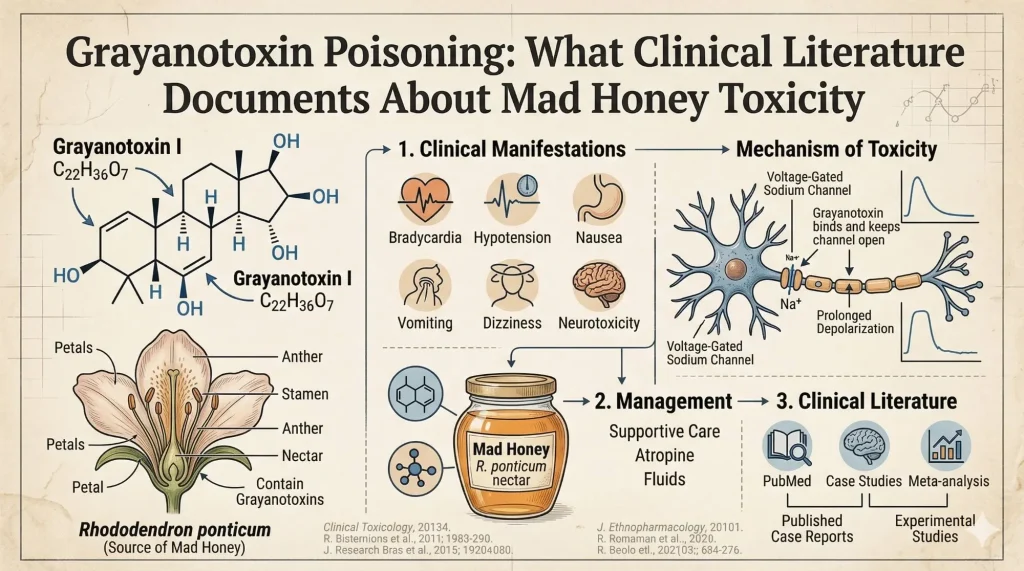
Medical disclaimer This page summarises published clinical literature for research and educational purposes. It is not medical advice, not a diagnosis tool, and not a substitute for emergency care. Anyone with symptoms consistent with grayanotoxin poisoning should seek medical attention promptly. Source paper Jansen SA, Kleerekooper I, Hofman ZLM, Kappen IFPM, Stary-Weinzinger A, van der […]
The Ancient History of Mad Honey: From Warfare to Medicine
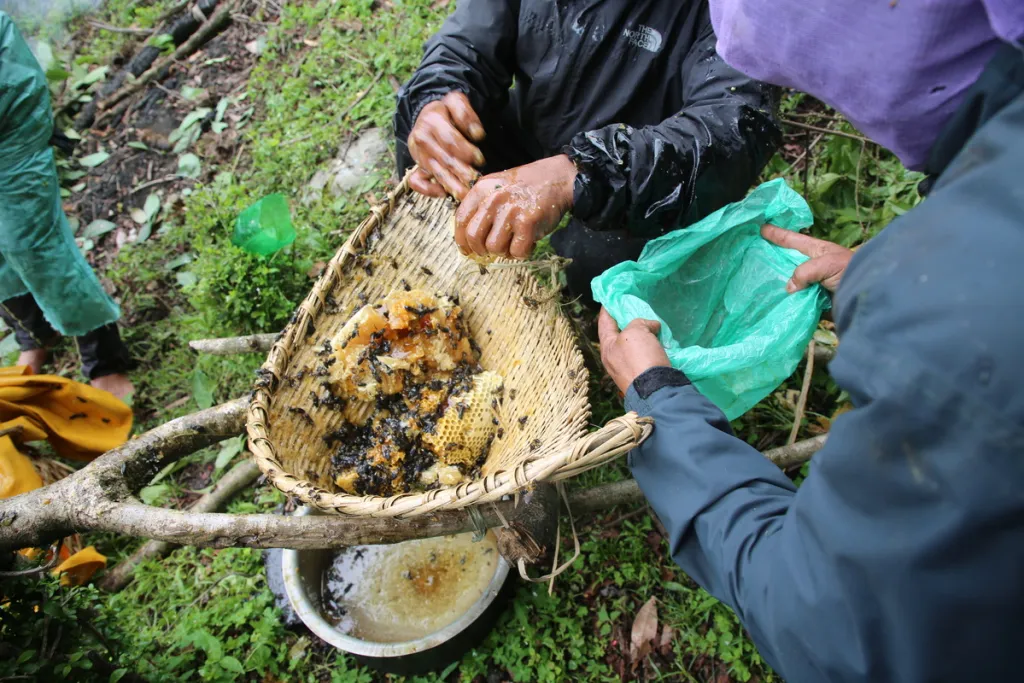
Introduction Mad honey is not a modern discovery. Its effects have been recorded for more than two thousand years, in accounts of ancient warfare and in traditional medicine. This post sets out what the historical record says, and what the modern evidence adds to it. Ancient Anatolia and the First Recorded Poisoning The earliest account […]