Atropine in Mad Honey Poisoning: A Systematic Review of Dosing and Outcomes
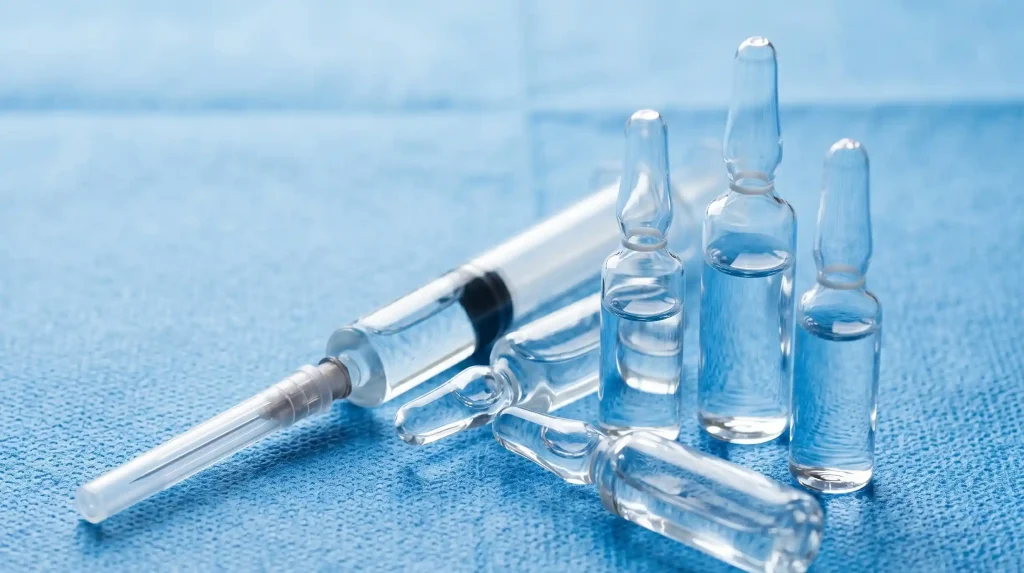
Grayanotoxin poisoning from mad honey produces a characteristic hemodynamic profile (bradycardia, hypotension, and varying degrees of atrioventricular conduction block) that requires pharmacological management in moderate-to-severe presentations. The mechanism of toxicity (sustained activation of parasympathetic pathways through voltage-gated sodium channel modulation) makes atropine, a competitive muscarinic antagonist, the pharmacologically logical first-line intervention. Atropine blocks the excessive […]
Grayanotoxin Quantification in Commercial Mad Honey: HPLC-UV Methodology
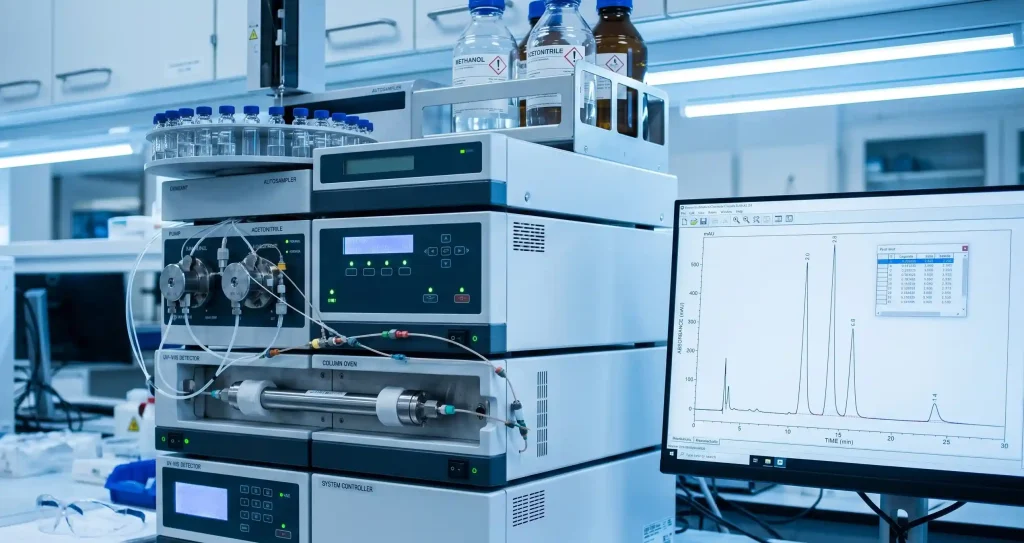
The quantification of grayanotoxins in commercial honey presents specific analytical challenges that make method selection and validation critical to the reliability of any Certificate of Analysis. Honey is a complex food matrix with high sugar content, varying water activity, and hundreds of minor chemical components that can interfere with the detection of target analytes at […]
Grayanotoxin Distribution Across Rhododendron Species: A Chemotaxonomic Survey

Of the approximately 700 Rhododendron species recognised by botanists, not all produce grayanotoxins, and among those that do, concentrations vary by orders of magnitude across species, subspecies, geographic populations, and plant tissues. Understanding this distribution is critical for predicting which plants pose honey toxicity risk, for tracing the geographic origin of grayanotoxin-containing honey, and for […]
Voltage-Gated Sodium Channel Modulation by Grayanotoxin-I: A Mechanistic Review
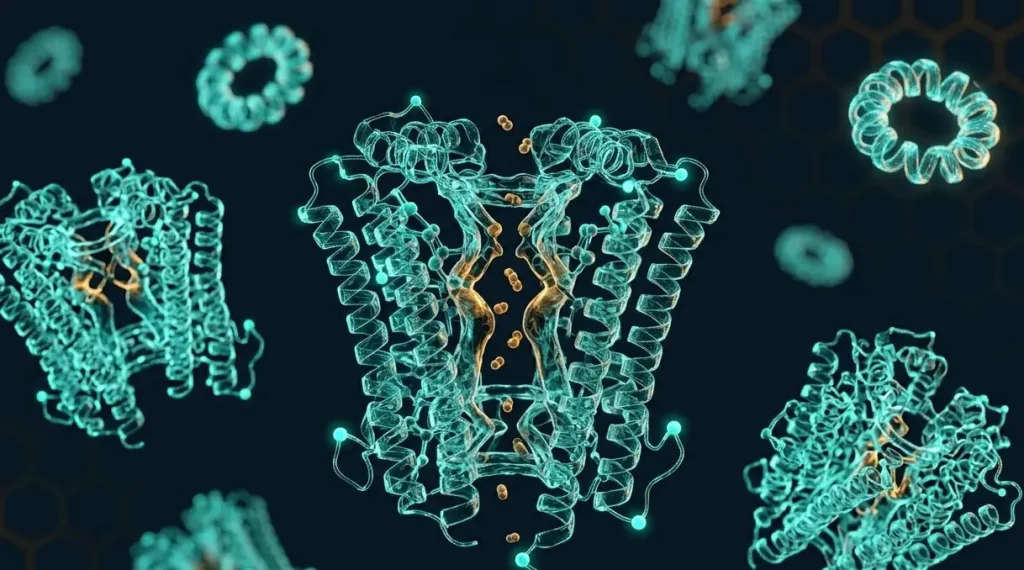
Grayanotoxin I (GTX I) binds to receptor site 2 on voltage-gated sodium channels (VGSCs), the same binding site targeted by other lipophilic toxins, including veratridine, batrachotoxin, and aconitine. This site, located within the channel’s transmembrane domain, is distinct from the neurotoxin site 1 targeted by tetrodotoxin and saxitoxin, which block channel opening rather than preventing […]
Mad Honey Poisoning: A Case Series from the Black Sea Region of Turkey

The majority of published clinical case series on mad honey poisoning originate from emergency departments in northeastern Turkey, particularly hospitals serving Rize, Trabzon, and surrounding Black Sea provinces. This geographic concentration reflects both the highest endemic production of deli bal in the world and the long-standing medical awareness of grayanotoxin poisoning as a distinct clinical […]
The Neuropharmacology of Grayanotoxins: Site 2 Sodium Channel Binding
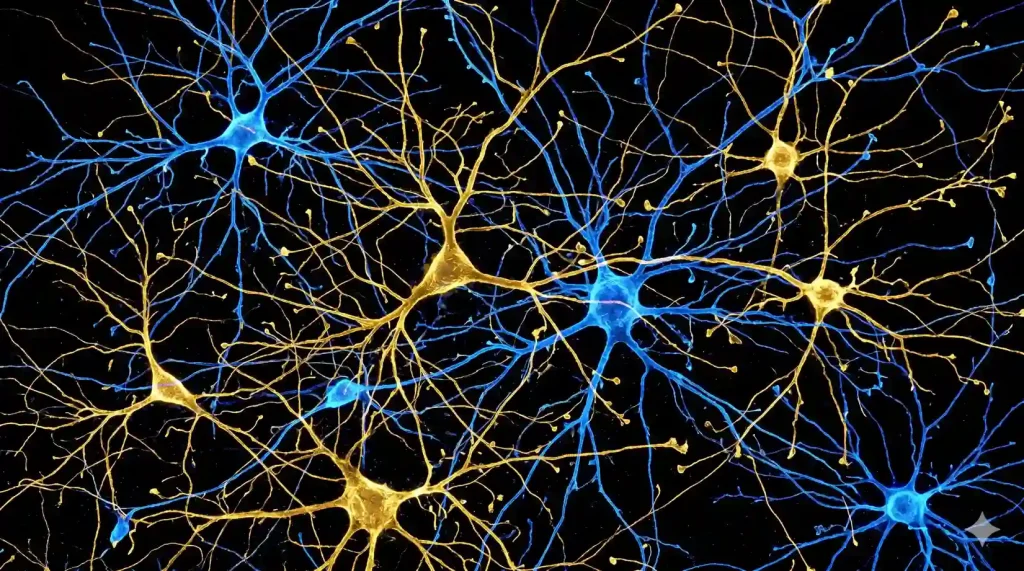
Voltage-gated sodium channels (VGSCs) are the primary molecular targets of grayanotoxins. Understanding grayanotoxin pharmacology requires a foundational understanding of VGSC structure and gating. VGSCs are large integral membrane proteins: the α subunit, which contains the ion-conducting pore and the voltage-sensing machinery, is approximately 260 kDa and consists of four homologous domains (I–IV), each with six […]
The Physiological Impact of Mad Honey: Cardiac, Vascular and Neurological Effects
The physiological impact of mad honey is not confined to a single organ system. Grayanotoxins, by virtue of their action on voltage-gated sodium channels expressed across multiple tissue types, produce a constellation of effects spanning the cardiovascular system, the autonomic nervous system, the peripheral sensory nervous system, and the gastrointestinal tract. Understanding each system’s contribution […]
What Are Grayanotoxins? Chemistry, Sources and Mechanism
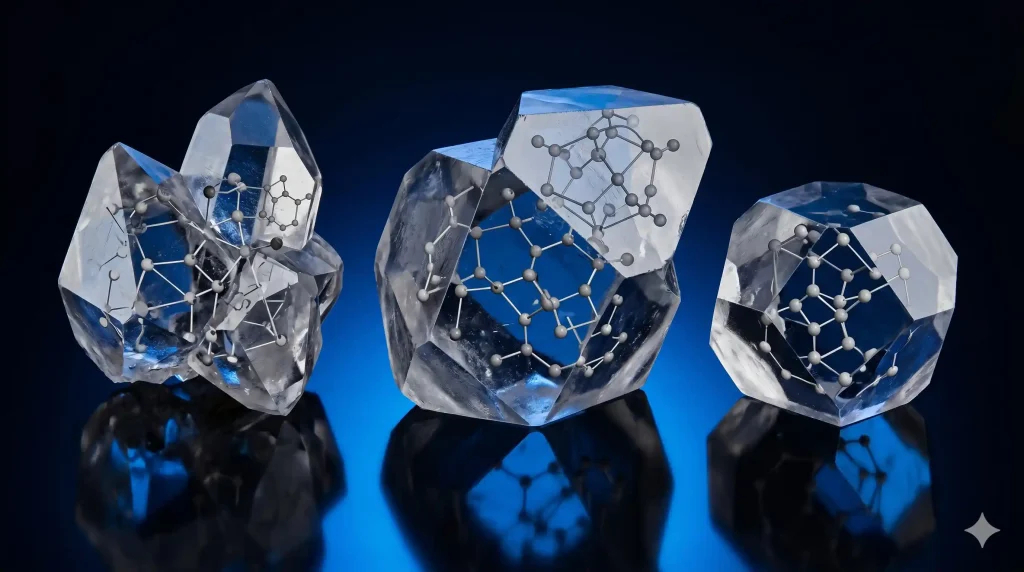
Grayanotoxins are a class of diterpenoid polyols, naturally occurring organic compounds characterised by a tetracyclic diterpene carbon skeleton bearing multiple hydroxyl groups. They belong to the broader family of grayanoid diterpenoids found exclusively within the plant family Ericaceae, which includes rhododendrons, azaleas, pieris, leucothoe, and related genera. The defining structural feature of grayanotoxins is a […]
Mad Honey Effects on the Body: A Complete Breakdown
The effects of mad honey on the body are a direct consequence of grayanotoxin I (GTX I) and grayanotoxin III (GTX III) binding to voltage-gated sodium channels across multiple tissue types. These channels govern the electrical signalling of cardiac muscle, smooth muscle, and neurons. Under normal conditions, they open briefly in response to a voltage […]
Grayanotoxin Poisoning: What Clinical Literature Documents About Mad Honey Toxicity
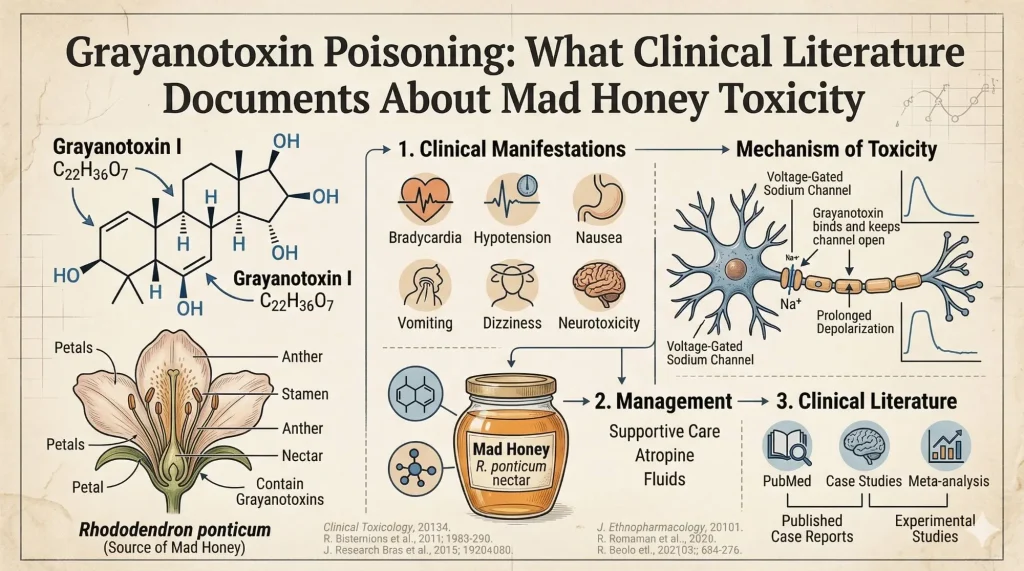
Medical disclaimer: This page summarizes published clinical literature for research and educational purposes. It is not medical advice, not a diagnosis tool, and not a substitute for emergency care. Anyone with symptoms consistent with grayanotoxin poisoning should seek medical attention promptly. The CMHI outline requires a standard safety disclaimer above the fold for this article […]