Is Mad Honey Legal in the UK? Statute and Enforcement
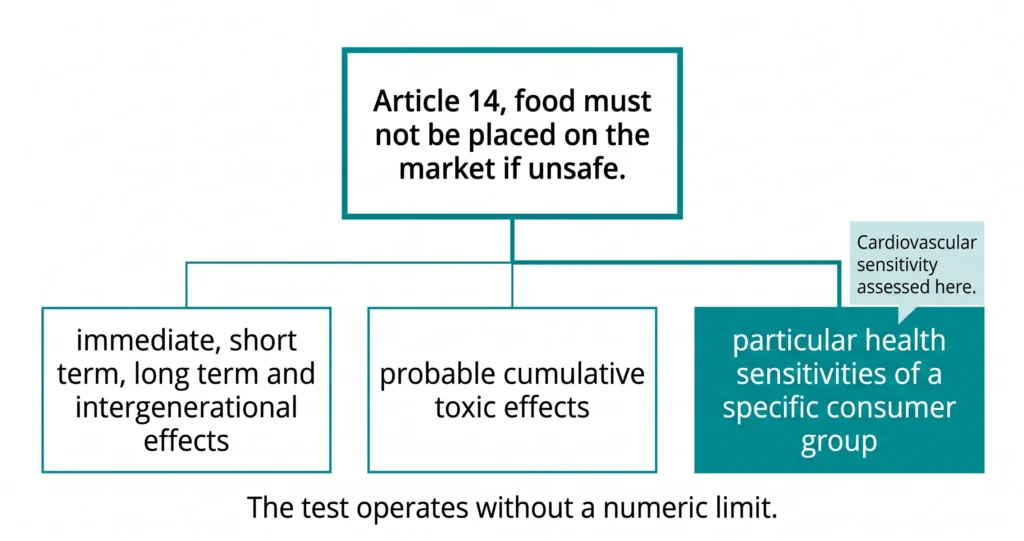
Mad honey, honey containing grayanotoxins from Rhododendron species, is not a controlled drug in the United Kingdom and is not prohibited to possess, buy, or consume as of September 2026. The United Kingdom reaches that conclusion by a different route from the United States, and the difference is substantive rather than presentational. American food law […]
Is Mad Honey Legal in the US? Federal and State Law
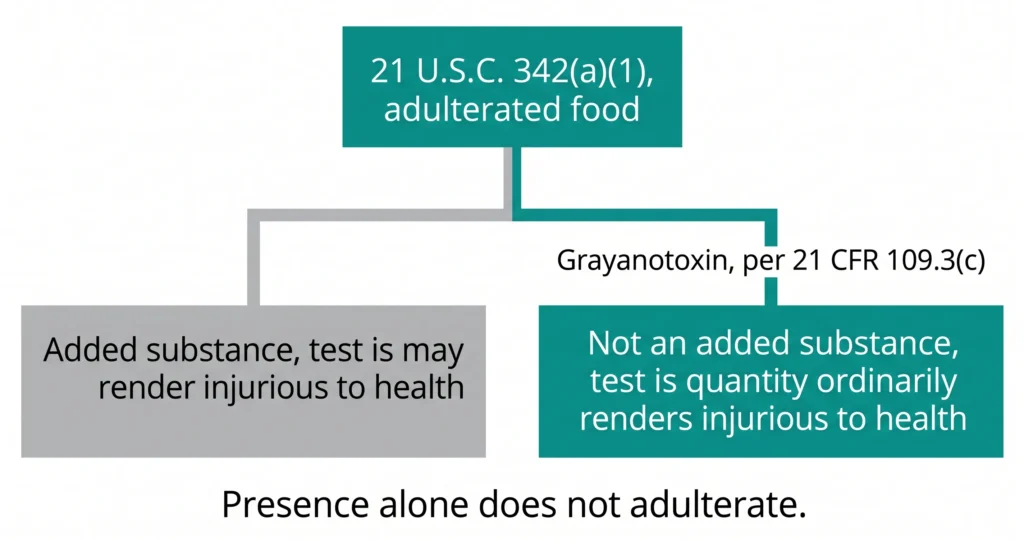
Mad honey, honey containing grayanotoxins from Rhododendron species, is not a controlled substance under United States federal law and is not prohibited to possess, buy, or consume in any state as of September 2026. That single sentence answers the question most people arrive with, but it conceals the more useful part of the picture. United […]
Is Mad Honey Legal in India? Import Rules and Status
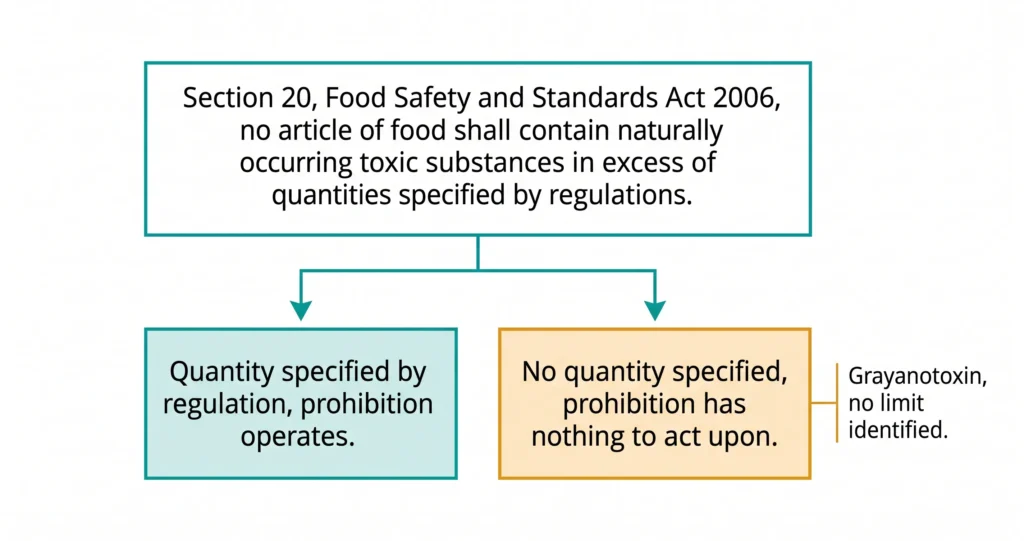
Mad honey, honey containing grayanotoxins from Rhododendron species, is not a narcotic drug or psychotropic substance under Indian law and is not prohibited to possess, buy, or consume in India as of September 2026. India occupies an unusual position among the jurisdictions in this set. Most countries encounter mad honey only as an import. India […]
Is Mad Honey Legal in Texas? State Law and Penalties
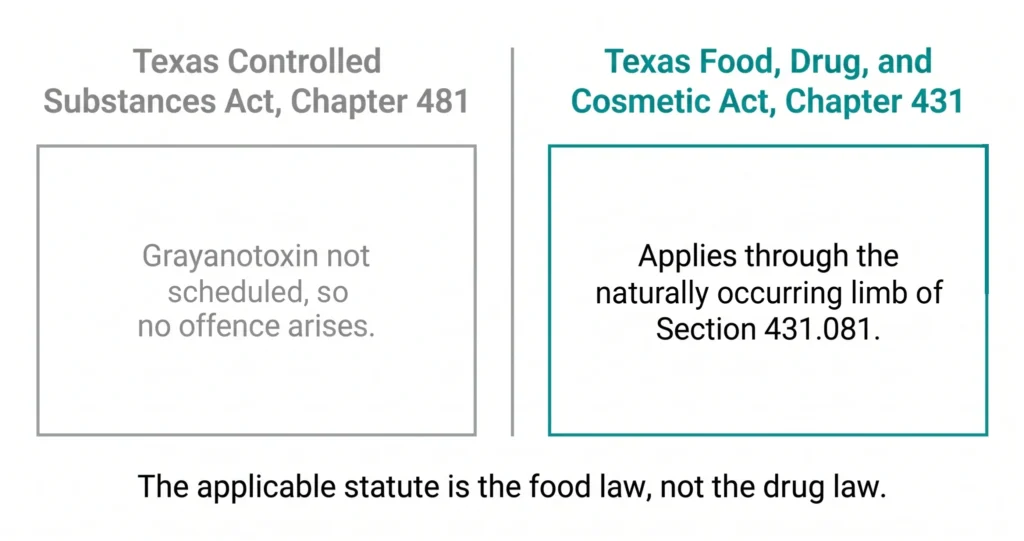
Mad honey, honey containing grayanotoxins from Rhododendron species, is not a controlled substance in Texas and is not prohibited to possess, buy, or consume under Texas law as of September 2026. Texas attracts this question more than most states, partly because its controlled substances regime is well known for being expansive and partly because the […]
Is Mad Honey an Aphrodisiac? What the Evidence Says About the Sexual-Benefit Claim
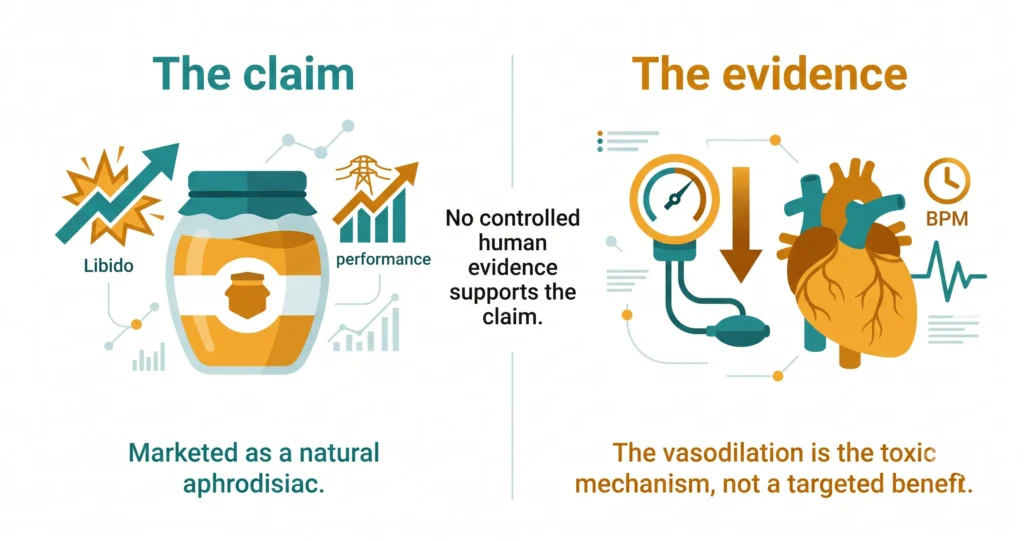
The single most common reason mad honey is sold to Western buyers is the aphrodisiac claim: that it boosts libido, improves sexual performance, and functions as a natural alternative to erectile dysfunction medication. It is the angle behind much of the product’s online presence, and it is the reason a jar of Himalayan cliff honey […]
Mad Honey Poisoning: Symptoms, Timeline, and What the Clinical Record Shows
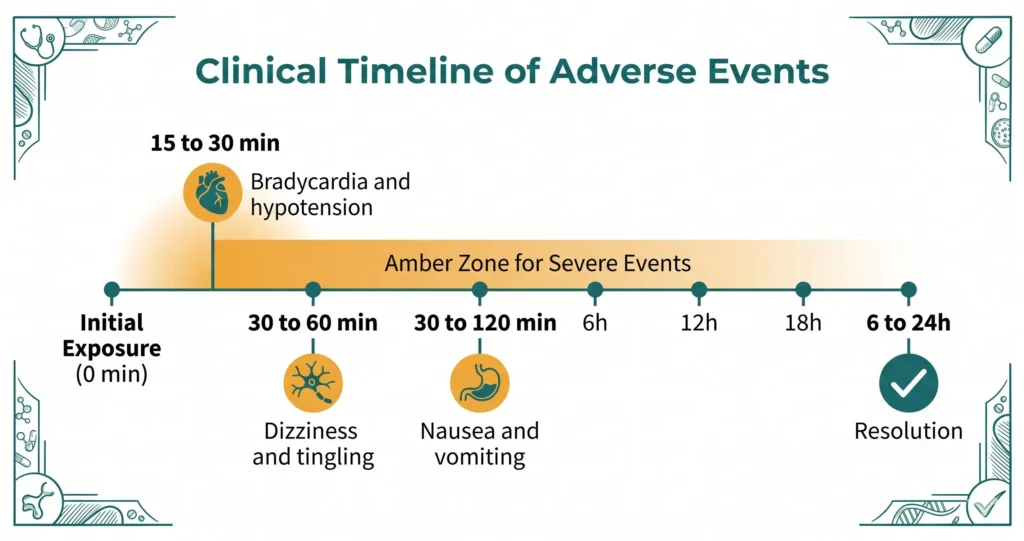
Mad honey poisoning, referred to in the peer-reviewed literature as mad honey intoxication or grayanotoxin poisoning, is the clinical syndrome produced when grayanotoxin consumed in honey disrupts cardiovascular and neurological function. The word poisoning carries clinical weight that the colloquial version of this story often drops: it refers to a measurable toxic effect requiring medical […]
Grayanotoxin in Mad Honey: What the Research Says About Concentration & Safety
Companion references: the grayanotoxin glossary defines every term used here, and the mad honey fact sheet for journalists collects the citable figures with their sources. Our sources sets out which journals this site draws on and how it grades evidence. MEDICAL DISCLAIMER This page is for educational purposes only and is not medical advice. Mad […]
Who Should Not Consume Mad Honey: Contraindications Based on Clinical Evidence
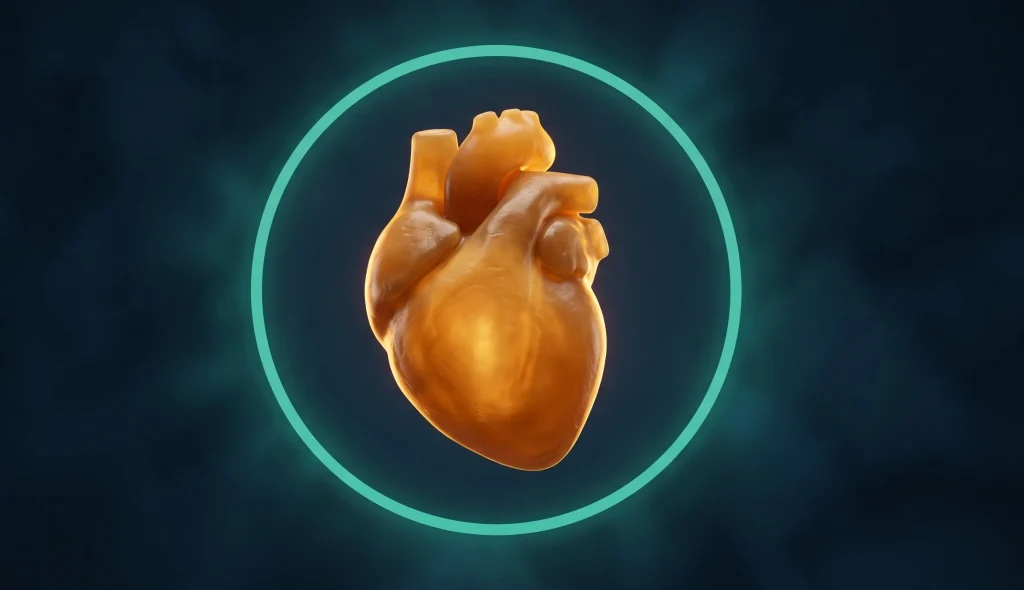
MEDICAL DISCLAIMER This page is for educational purposes only and is not medical advice. If any of the conditions below apply to you, do not consume mad honey without first consulting a qualified healthcare provider. Mad honey contains grayanotoxin, which can cause serious cardiovascular and neurological effects. Contact Poison Control (1-800-222-1222 in the US) or […]
Mad Honey Concentration Bands: What the Numbers on a Lab Report Actually Mean

What mg/kg on a mad honey lab report actually means: how to calculate your dose, what concentration ranges appear in clinical case literature, and why the number alone is not enough.
Mad Honey vs Manuka Honey: What’s the Difference?
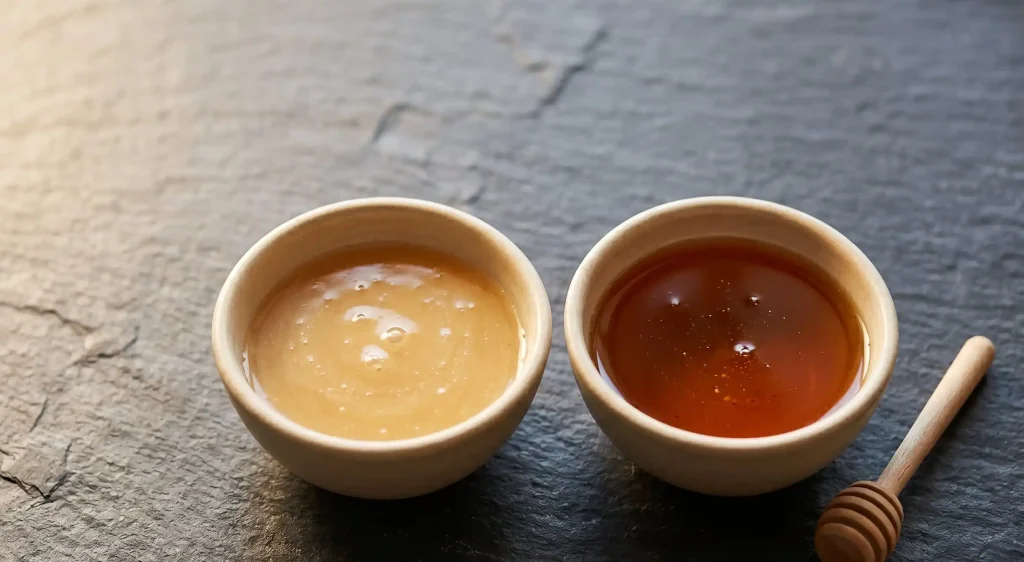
Mad honey and Manuka honey are both described as bioactive or functional honeys, and both carry significantly higher prices than commodity honey, but the comparison largely ends there. Their plant sources, active compounds, mechanisms of action, research bases, traditional uses, and risk profiles are entirely distinct. Understanding the difference is relevant both for anyone evaluating […]